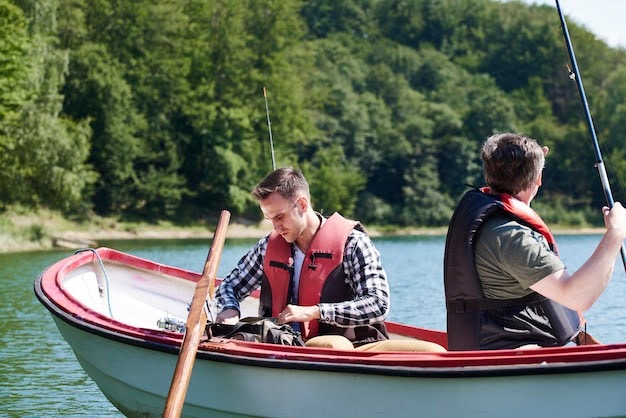
Fly-fishing in Chile offers anglers a unique opportunity to explore pristine rivers, remote lakes, and breathtaking landscapes. However, like any outdoor adventure, it comes with certain risks that require preparation and awareness. Learning safety tips and best practices from experienced fly-fishing guides in Chile can help ensure a safe, enjoyable, and successful fishing experience.
1. Understand Local Conditions
One of the first safety practices recommended by Chilean fly-fishing guides is to familiarize yourself with local water conditions. Rivers and streams can have strong currents, sudden drops, or slippery rocks.
Guides advise studying maps, checking weather forecasts, and understanding water levels before heading out. By knowing the environment, anglers can avoid hazardous areas and plan routes that are both safe and productive.
2. Wear Proper Gear
Using the right equipment is essential for safety and efficiency. Waders, waterproof clothing, and sturdy boots with good traction protect anglers from hypothermia, slips, and other injuries.
Polarized sunglasses help reduce glare and improve visibility of fish and underwater obstacles. Fly-fishing guides in Chile emphasize that protective gear should be high-quality and suitable for the specific conditions of each river or lake.
3. Practice Safe Casting Techniques
Casting in confined spaces or near other anglers can pose risks if not done correctly. Guides recommend practicing proper casting techniques to avoid injuries from hooks or lines.
Maintain a safe distance from others and be mindful of surroundings, including trees, rocks, and overhanging branches. Correct casting not only improves fishing efficiency but also minimizes the risk of accidents.
4. Stay Hydrated and Nourished
Extended days on the water can be physically demanding. Chilean guides advise bringing enough water, snacks, and energy-boosting foods to maintain stamina and focus.
Dehydration or fatigue can impair judgment and increase the likelihood of accidents. Proper nutrition ensures anglers stay alert, safe, and ready to handle unexpected situations.
5. Follow Environmental and Ethical Practices
Safety also extends to the environment and wildlife. Fly-fishing guides in Chile encourage catch-and-release practices, respecting local regulations, and minimizing disturbances to the ecosystem.
Maintaining clean fishing spots and avoiding litter protects both the environment and other anglers who visit these remote locations. Responsible practices contribute to a safer and more enjoyable experience for everyone.
6. Know Emergency Procedures
Even with precautions, emergencies can occur. Guides recommend knowing the nearest medical facilities, carrying a first-aid kit, and having a communication plan in case of accidents.
Mobile phones or satellite devices can be vital in remote areas. Being prepared allows anglers to respond quickly and effectively, reducing the severity of potential incidents.
Conclusion
In conclusion, following safety tips and best practices from fly-fishing guides in Chile ensures a memorable and secure angling experience. Understanding local conditions, wearing proper gear, practicing safe casting, staying hydrated, respecting the environment, and preparing for emergencies all contribute to both personal safety and a successful trip. By adhering to these guidelines, anglers can fully enjoy the stunning landscapes and abundant fish populations that make Chile a world-class fly-fishing destination.