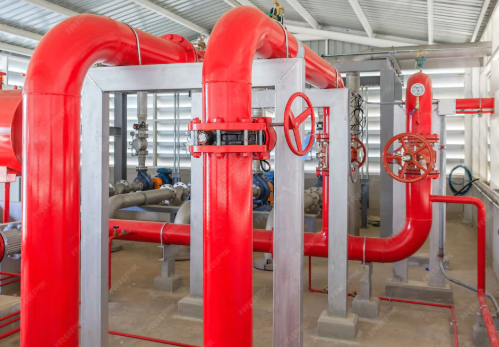
Choosing the right equipment for fire suppression is one of the most critical decisions an industrial facility manager can make. A fire pump is the heart of any water-based fire protection system, providing the necessary pressure to ensure that sprinklers and hoses operate effectively during an emergency.
Because these machines often sit idle for long periods but must perform flawlessly at a moment’s notice, reliability is the primary factor to evaluate.
Selecting a high-quality fire pump requires a deep understanding of your facility’s specific needs and the rigorous standards governing safety equipment.
1. Understanding Flow and Pressure Requirements
The most fundamental step in selecting a fire pump is calculating the specific hydraulic demands of your industrial site. You must determine the total volume of water required and the pressure needed to overcome friction loss in the piping.
A unit that is underpowered will fail to suppress a fire effectively, while one that is significantly overpowered can damage the infrastructure.
Consulting with a fire protection engineer ensures that the pump is sized correctly for your building’s height, floor area, and the nature of the materials stored within.
2. Evaluating Power Source and Redundancy
Industrial fire pumps are typically powered by either electric motors or diesel engines. Electric pumps are often simpler to maintain but are vulnerable to power outages during a fire. Diesel-driven models offer independence from the local grid but require more intensive fuel management and maintenance.
In many high-risk industries, a combination of both is used to provide redundancy. Having a secondary fire pump ensures that the suppression system remains operational even if the primary power source or the first unit fails.
3. Prioritizing Compliance with Global Standards
Reliability is often guaranteed through rigorous third-party testing and certification. When sourcing equipment, look for units that carry recognized approvals from organizations like UL or FM Global.
These certifications mean the manufacturer has met strict design and performance criteria. A certified fire pump has undergone endurance testing to prove it can handle the intense stresses of an emergency situation, providing peace of mind to stakeholders and insurance providers alike.
4. Assessing Material Durability and Corrosion Resistance
Industrial environments can be harsh, involving exposure to chemicals, moisture, or extreme temperatures. The internal components of the pump must be constructed from durable, corrosion-resistant materials like bronze or stainless steel.
This prevents the buildup of rust or debris that could seize the mechanism during its periods of dormancy. Investing in high-grade materials significantly extends the lifespan of the equipment and reduces the likelihood of mechanical failure when the system is activated.
5. Reviewing Ease of Maintenance and Parts Availability
A fire pump is only as reliable as the maintenance it receives. Before making a purchase, consider how easy it is to access key components for regular testing and lubrication. It is also vital to choose a brand that has a strong local support network.
If a specialized part takes weeks to arrive from overseas, your facility could be left unprotected for an unacceptable amount of time. Working with a supplier who offers readily available spare parts and qualified technicians is a key part of long-term risk management.