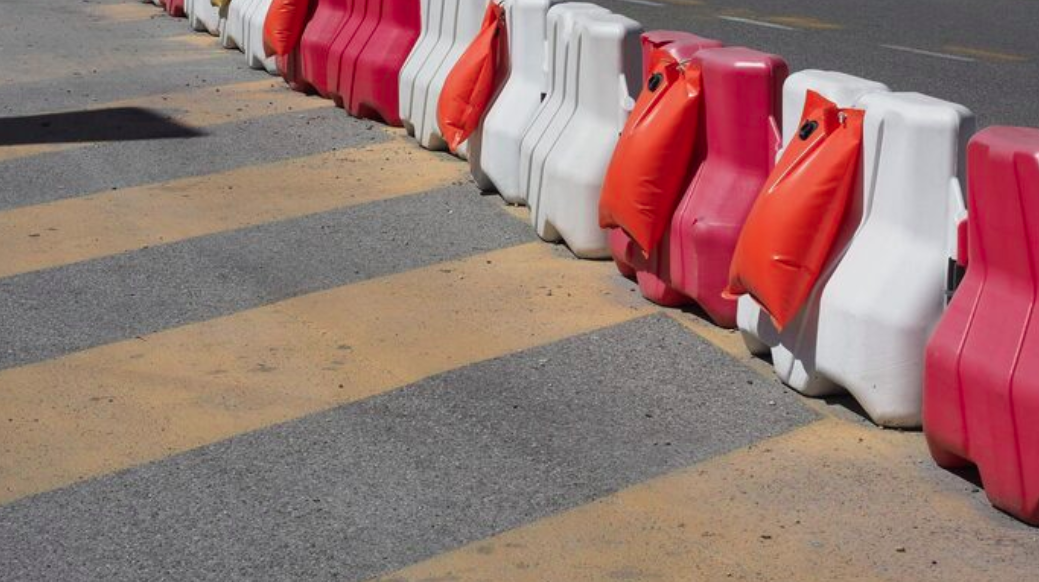
Ensuring the safety of motorists on high-speed highways and at busy intersections requires high-performance infrastructure designed to mitigate the impact of vehicular accidents.
Among the most critical safety components are impact attenuators, which are engineered to absorb the kinetic energy of a colliding vehicle.
Finding the right source for this equipment is a decision that impacts public safety and project budgets alike. When you are tasked with identifying a reputable crash cushion distributor, several factors must be weighed to ensure the hardware meets rigorous standards and arrives on site ready for deployment.
1. Compliance with Modern Safety Standards
The most important consideration when evaluating any supplier is the regulatory compliance of their inventory. Roadway safety hardware must meet specific crash-test criteria, such as the Manual for Assessing Safety Hardware standards.
A trustworthy crash cushion distributor will provide detailed documentation proving that their products have passed these rigorous evaluations.
This compliance ensures that in the event of an accident, the crash cushion will perform exactly as engineered, redirecting or stopping the vehicle safely. Verifying these certifications at the outset protects the purchasing agency from liability and ensures the highest level of protection for the public.
2. Breadth of Product Inventory and Customization
Not every roadway hazard is the same, which means a one-size-fits-all approach to safety hardware is rarely effective. A leading crash cushion distributor should offer a wide variety of models, ranging from permanent installations to temporary units used in work zones.
Whether you require a narrow unit for a median or a wide system for a bridge pier, the distributor must have the technical knowledge to recommend the correct configuration.
Having access to diverse options allows engineers to select the specific crash cushion that best fits the speed limit and site constraints of their particular project.
3. Technical Support and Installation Expertise
The effectiveness of safety hardware is heavily dependent on proper installation. A distributor should offer more than just a transaction; they should provide comprehensive technical support.
This includes providing detailed installation manuals, foundation requirements, and on-site training for maintenance crews. When a crash cushion is installed correctly according to the manufacturer’s specifications, its lifespan and performance are maximized.
Inquire whether the distributor offers guidance on repairability and parts replacement, as these factors are essential for maintaining the system after an impact occurs.
4. Logistics and Supply Chain Reliability
In the construction and maintenance industry, timing is everything. Delays in receiving safety equipment can stall entire projects and leave hazardous areas unprotected. When vetting a potential partner, evaluate their logistics capabilities and their ability to maintain consistent stock levels.
A reliable distributor should be able to provide clear lead times and demonstrate a history of on-time deliveries.
Rapid access to replacement parts is equally vital, as a damaged crash cushion must be restored or replaced immediately after an incident to ensure the roadway remains safe for subsequent travelers.
5. Durability and Lifecycle Costs
While initial purchase price is a factor, the total cost of ownership is a more accurate metric for value. High-quality attenuators should be constructed from materials that resist environmental degradation, such as corrosion and UV exposure.
Some systems are designed to be self-restoring or highly reusable after a low-speed impact, which can save significant money on labor and material over several years.
Discuss the long-term maintenance requirements with your distributor to understand the expected lifespan of the units and the ease with which they can be serviced by local crews.