Okay, so full honesty: until a few months ago, I thought smart homes were only for those rich tech bros on social media who control their blinds with a wink or something. I mean, seriously — I couldn’t even figure out half the buttons on my TV remote. But then I came across Schlau Automation and my entire view on home tech shifted. Not in a dramatic rocket‑ship kind of way, but in that subtle, “hey my life is actually easier now” kind of way.
I hadn’t even planned to get into automation. I was just scrolling through my feed one lazy afternoon (you know, the usual “why is everyone so productive?” slump), and a reel popped up showing lights changing color automatically when someone walked into a room. At first I rolled my eyes, like, sure that’s cute, but also unnecessary. But then I started thinking: what if my house did half the stuff I forget to do? Like turning off lights in rooms no one’s in, or adjusting the air conditioner when I zigzag around in different parts of the house like a confused penguin? That thought… actually sounded amazing.
What “Smart Home” Actually Means (Without the Sci‑Fi Confusion)
So here’s how I’d vaguely explain smart home tech to literally anyone who rolls their eyes at the phrase: it’s basically like giving your house a brain that’s not full of popcorn. And no, you don’t need to be a genius. What Schlau Automation does is kind of like giving your home an organized assistant who never complains and never borrows your charger forever.
My first step was the lighting — which, I’ll be honest, was mostly because I kept tripping over my own shoes in the dark at like 2 am. Once the sensors and schedules were set up, lights started turning on when I walk in and off when I leave. At first it felt weirdly futuristic, but also, y’know… extremely practical.
I remember the first day I got everything hooked up. I opened the app on my phone and felt like I was launching a spaceship or something. Pressed this one button and suddenly lights dimmed in living room to a “movie mode,” temperature adjusted itself, and even my coffee maker beeped like it was ready for a nap. It was chaotic and kind of unintentional, but also… amazing.
Small Wins That Feel Big in Real Life
Let’s be real: mornings at my place have always been a little wild. Before automation, waking up was like trying to negotiate with a toddler who refuses to cooperate. My alarm would go off, I’d hit snooze at least three times, and eventually drag myself out of bed like I was about to run a marathon I didn’t sign up for. Now, with lights that gently brighten and routines triggering the coffee maker, mornings feel slightly less like punishment.
I won’t lie — the first week was kind of hilarious (in hindsight). I set up my routines in a half‑asleep state and ended up with lights turning off at 9:03 pm sharp every night, no matter what I was doing. I’m there like “Wait, but I’m mid‑episode of my favorite show!” and the lights still shut down like an obedient robot. My house didn’t care about my cliffhanger, but hey, it cared about energy saving I guess.
Which brings me to another point: these little automations actually start saving you money. I know that sounds like something those late‑night infomercials would say, but I genuinely noticed my electric bill looking friendlier after a month of lights turning off when rooms were empty and smart climate control doing its thing. My wallet silently whispered “Thank you.”
Security That Feels Like a Personal Guard (But Not Creepy)
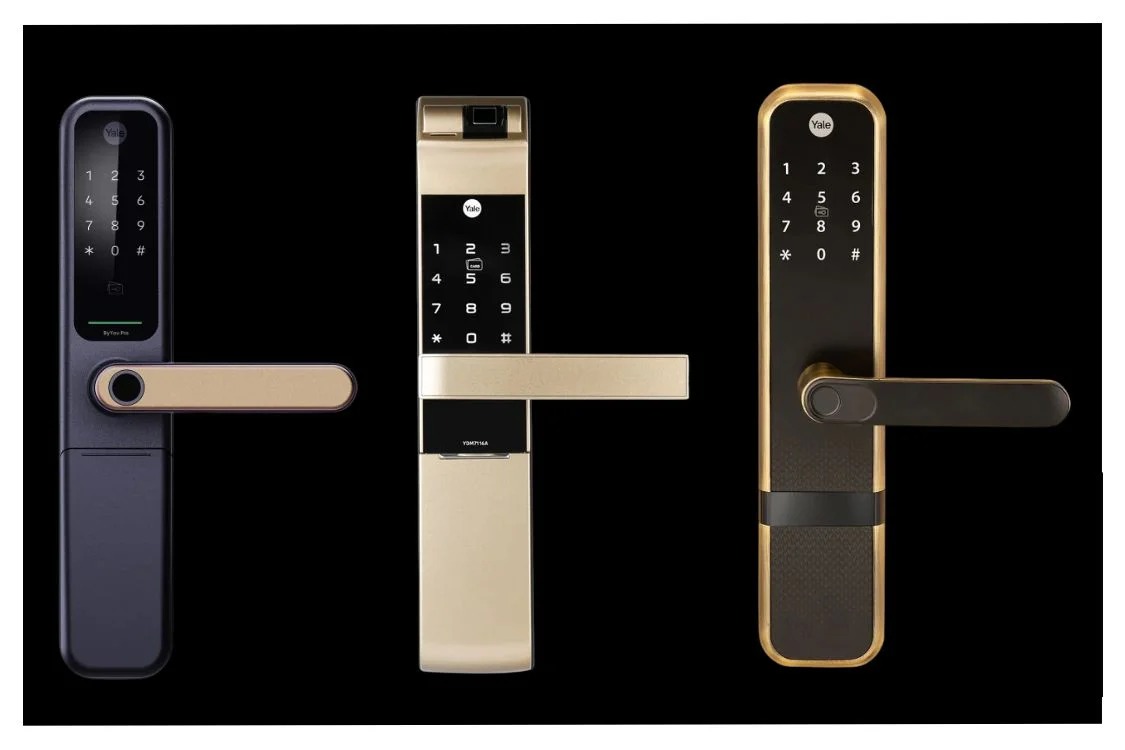
Before I started with smart home tech, I used to lock my door and then immediately doubt myself like 12 times: “Did I lock it? Or did I just imagine locking it?” That used to be my internal monologue every time I stepped out. Now? My phone notifies me that the door is locked securely. No more guessing. And I can check those notifications without looking like a paranoid spy in public.
There’s something oddly comforting about getting a little ping that says “Yep, the house is secure.” It’s not like my doors are suddenly whispering secrets, it’s just… practical. And honestly, peace of mind is underrated.
The Learning Curve Was Real (And Fun in a Weird Way)
I’m not gonna pretend it was all smooth sailing. Setting this stuff up felt like learning a new language at first. There were moments when I was like “Why is the living room light blinking red?” or “Did I just program my speakers to randomly play whale sounds at 3 am?” (True story. Don’t ask how that happened.) But after a few tweaks and online help, the whole system started making sense.
It’s kind of like when you first learn how to ride a bike — wobbly, a few crashes, some “why did I do that” moments — and then suddenly you’re cruising down the road feeling like you’re training for the Tour de France. But with lights and rooms. And no actual biking.
Making Each Room Feel Personal (Yes, Even the Bathroom)
Another part people don’t talk about enough is personalization. You can literally set moods for different rooms. Want the bedroom lighting to gently wake you up like a soft sunrise? Done. Want your living room lights to sync to your playlist when guests come over? Also doable. My friend even set his bathroom light to “spa mode” because apparently showering in purple light makes him feel like a hero in a music video. I’m not here to judge.
And yeah, friends who come over always get that little “ooh what’s this?” look when lights change or music cues automatically. I get to sit there with a smug grin like “Yeah, that’s just how we roll here.”
It’s Not Perfect — But It’s Pretty Great
Of course, there are glitchy moments. My cat once triggered the motion sensors for like an hour because he was just walking back and forth being dramatic, and suddenly my whole house thought a tiny panther was on the loose. And then there was the time I accidentally scheduled the lights to turn off in the middle of a party. Awkward, but humans love chaos, right?
But each weird little hiccup becomes a funny story later. And honestly, most of the time it just works. It makes life easier. Less annoying. More… smooth.
Why I’d Actually Recommend Giving It a Shot
If you’re reading this thinking “This sounds too fancy for me” — hear me out: you don’t need to go full futuristic mansion mode right away. Start small. A couple of lights, a smart routine here and there. Once you feel that one tiny convenience, suddenly you start imagining all these little upgrades that make life a bit nicer. It’s like discovering a secret level in a game you thought you already mastered.
So yeah, that’s my weird journey from “smart homes are weird” to “why does my house know me so well?” Schlau Automation wasn’t just some cool tech concept. It became a practical part of daily life that honestly makes me say “wow that’s kinda nice” more often than I expect.